


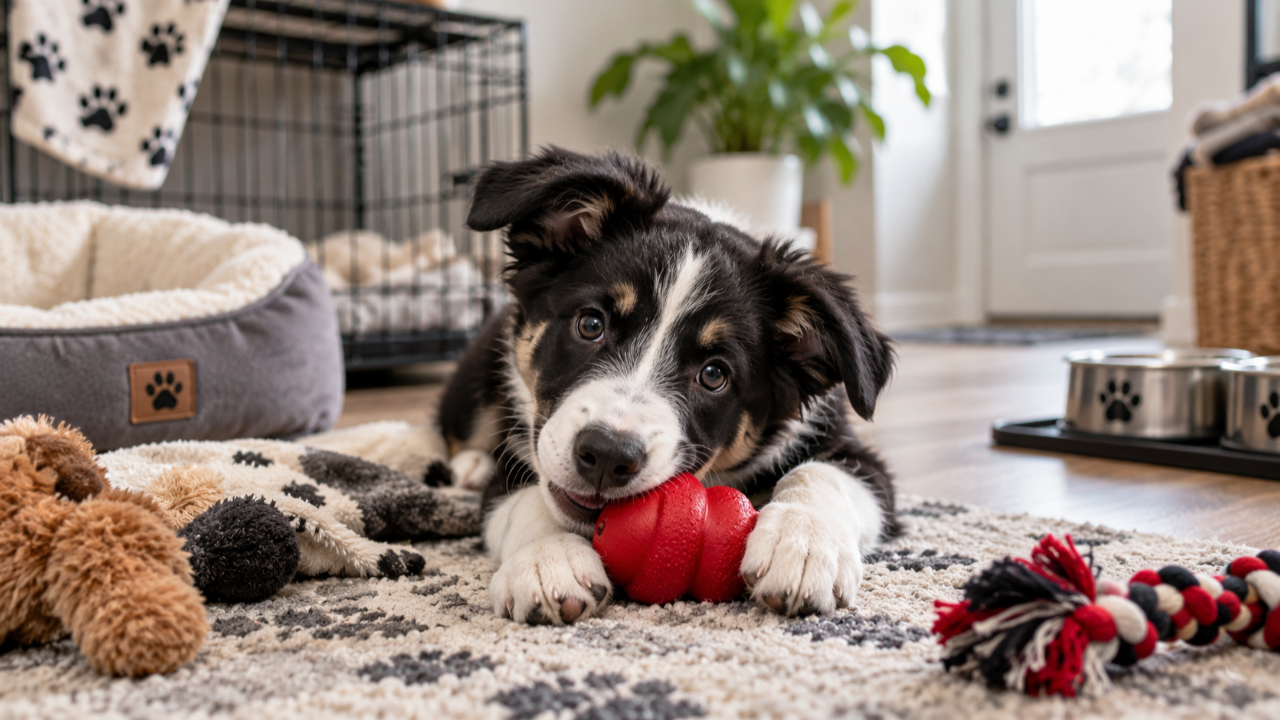
It’s 3am. The puppy is crying. You’re exhausted. And you’re starting to wonder if you’ve made a terrible mistake.
You haven’t. But nobody warned you it would be quite this hard, quite this fast, or quite this challenging. The first week with a new puppy is one of those experiences that is difficult to prepare for, and one that almost every puppy owner looks back on and says the same thing about: I wish someone had told me what to expect.
Here’s what’s happening, from your puppy’s perspective a...
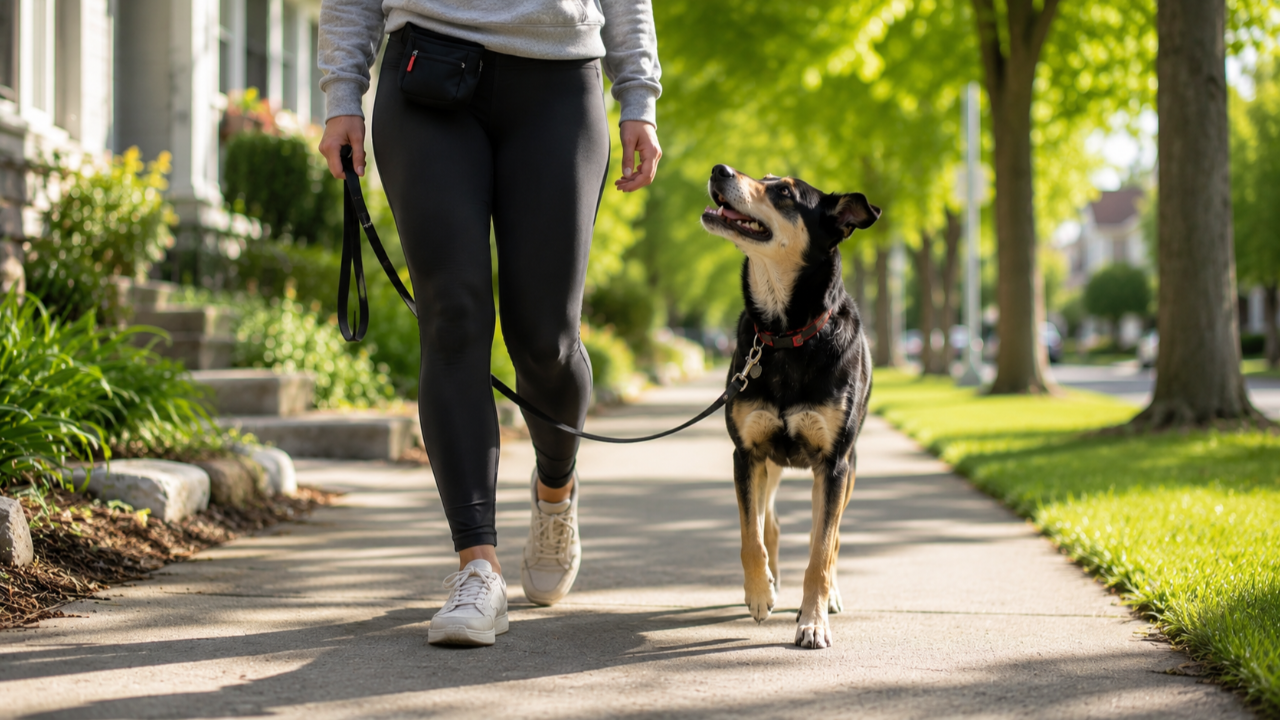
Walking a reactive dog can require more mental energy than a full day of work.
The constant scanning ahead for triggers. The route planning before you even leave the house. The crossed street, the held breath, the dog who was fine until they weren’t. The apologies to strangers, the frustration, the walk home that feels heavier than the one out.
If that’s your daily reality, we want to say something first: the work you are doing through vigilance, awareness, and careful management is not just d...
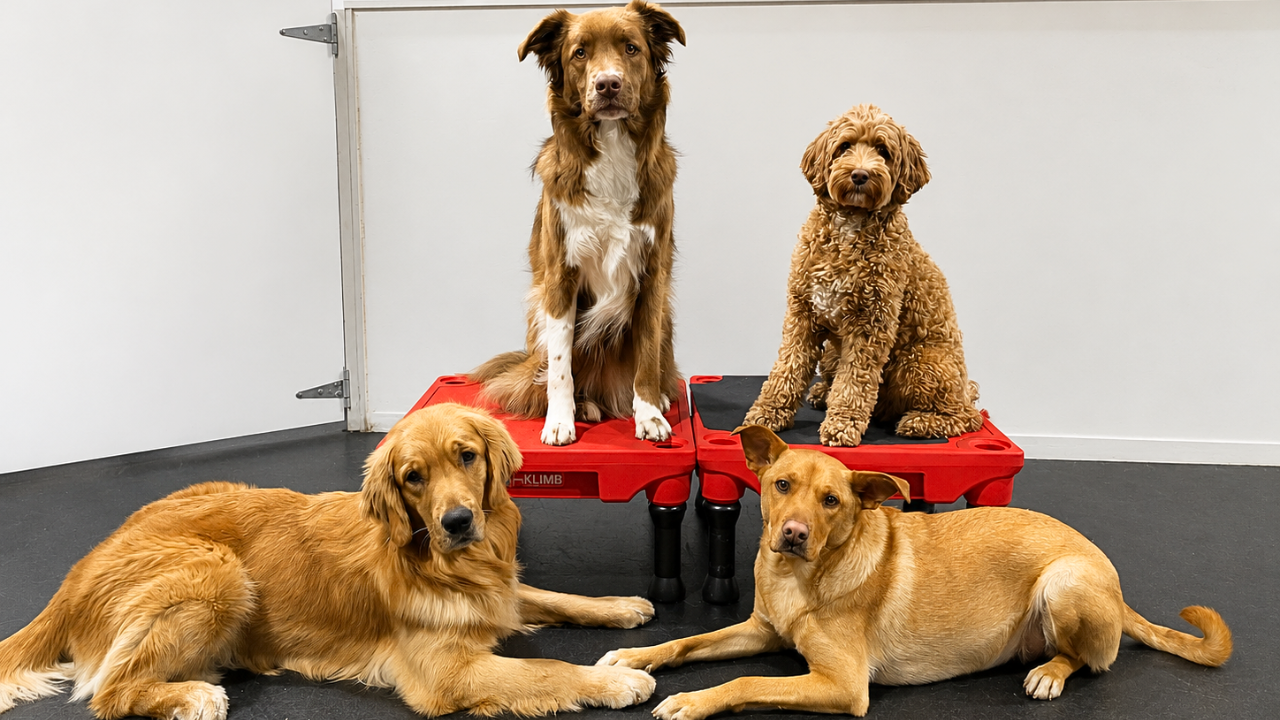
We have turned dogs away from our programs. We have removed dogs who were already part of our community. And we have received angry messages, difficult conversations, and the occasional bad review because of it.
We are writing this post not to defend those decisions. We are writing it to explain them clearly, honestly, and without apology. Because we believe that transparency about how and why we make these calls is one of the most important things we can offer the families who trust us with th...
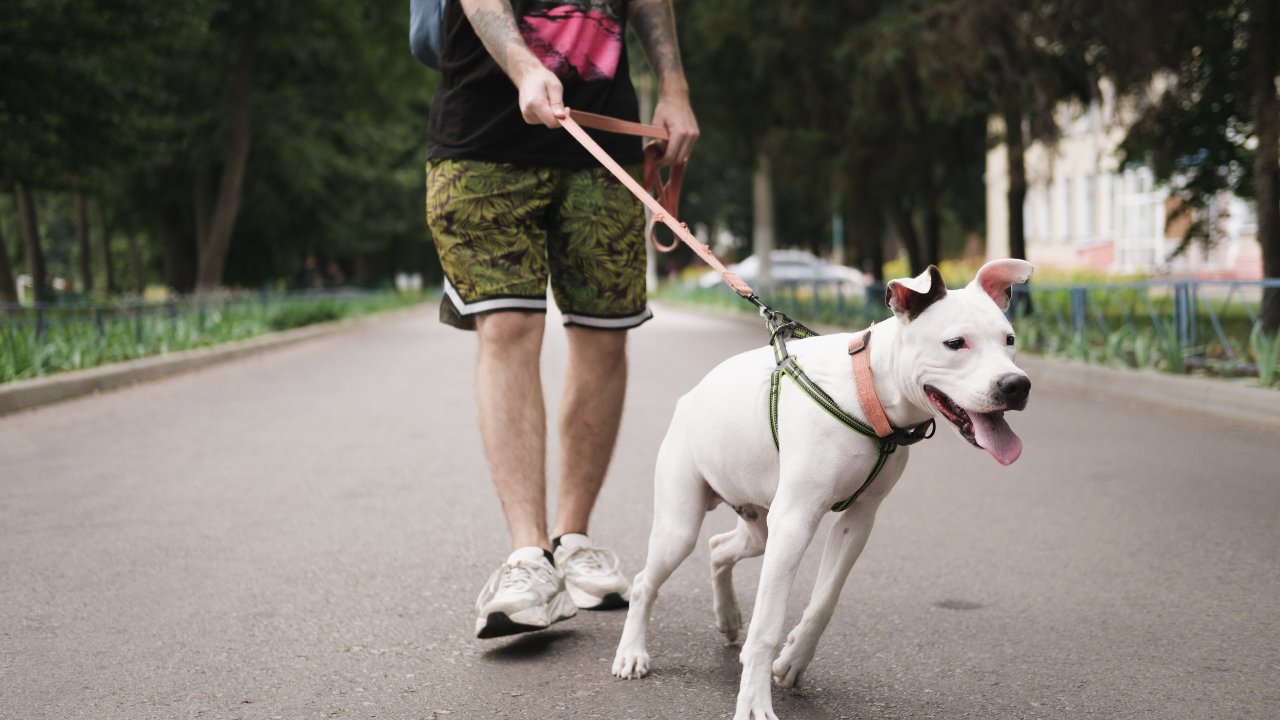
Your puppy was doing so well.
They were responding to cues, walking reasonably well on leash, and settling when asked. You were starting to feel like you’d found your rhythm together, and then, somewhere around six or eight months, something shifted. The dog who knew their name suddenly acts like they’ve never heard it. The recall that worked at the park is nowhere to be found. They’re pushier, mouthier, more easily distracted, and harder to reach.
Most owners assume they’ve done something wro...
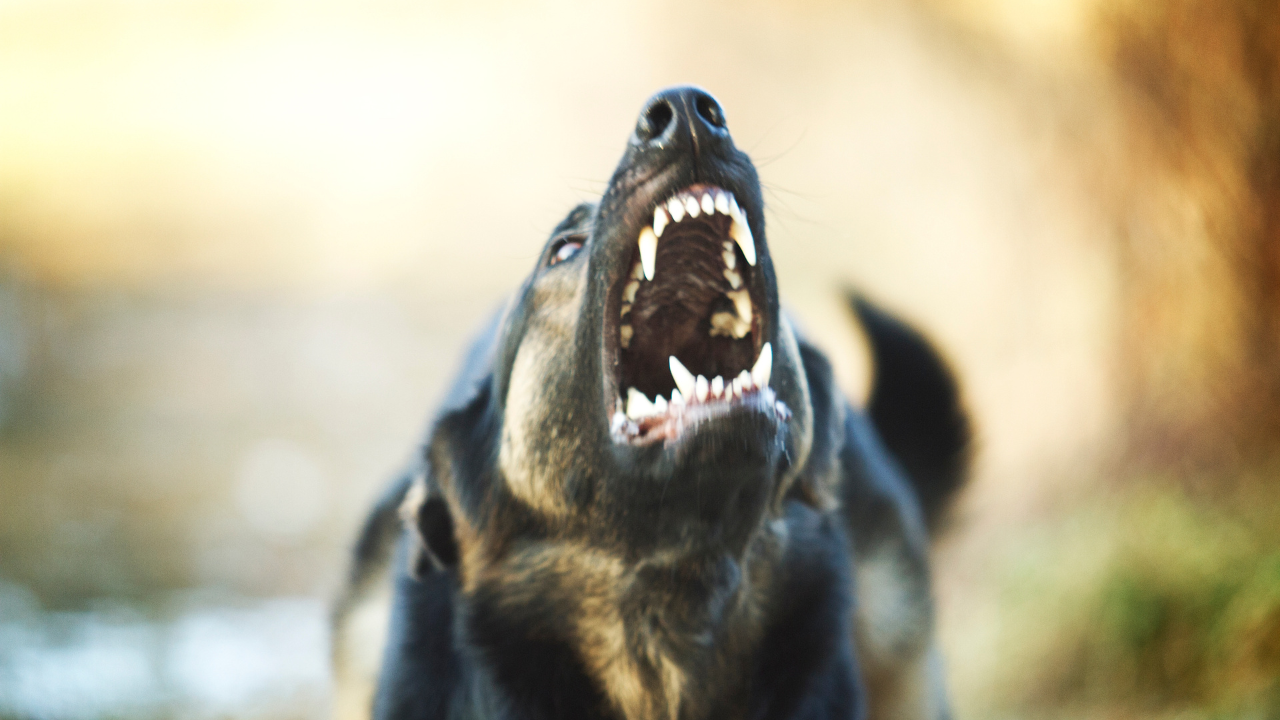
“My dog is reactive.” “My dog is scared of other dogs.” “My dog is fearful.”
We hear these phrases used interchangeably all the time, as if fear and reactivity are simply two words for the same thing. They’re not. And the difference between them matters far more than most people realise.
Fear is an emotion while reactivity is a response. One is what a dog feels and the other is what we see them do about it. And because the same loud, dramatic behaviour can come from completely different emotio...
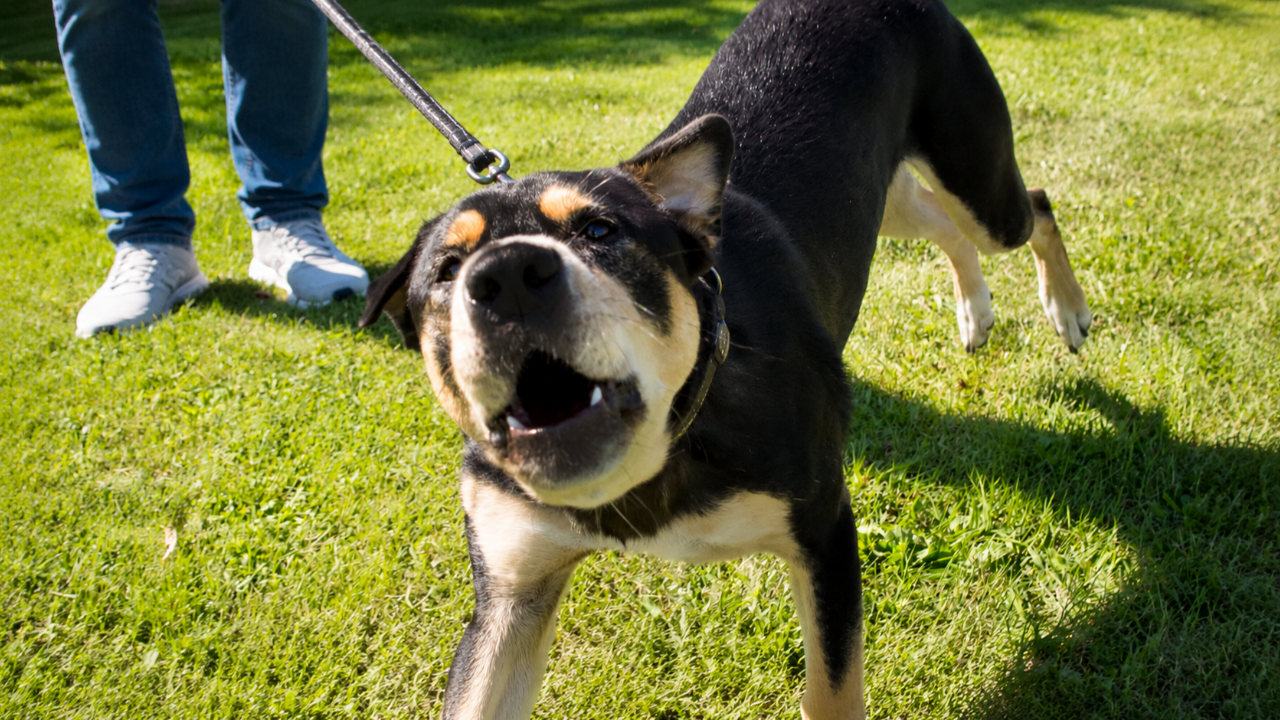
The walk was going fine.
And then it wasn’t. Another dog appeared around a corner, or a cyclist came too fast, or something you couldn’t even identify, and your dog exploded. Barking, lunging, pulling so hard you could barely hold on. Strangers staring as you apologize, your heart racing.
And now you’re standing there wondering: what was I supposed to do? What do I do next time?
This post is the answer to that question. Some things help, some things make it worse, and there’s a way of thinkin...
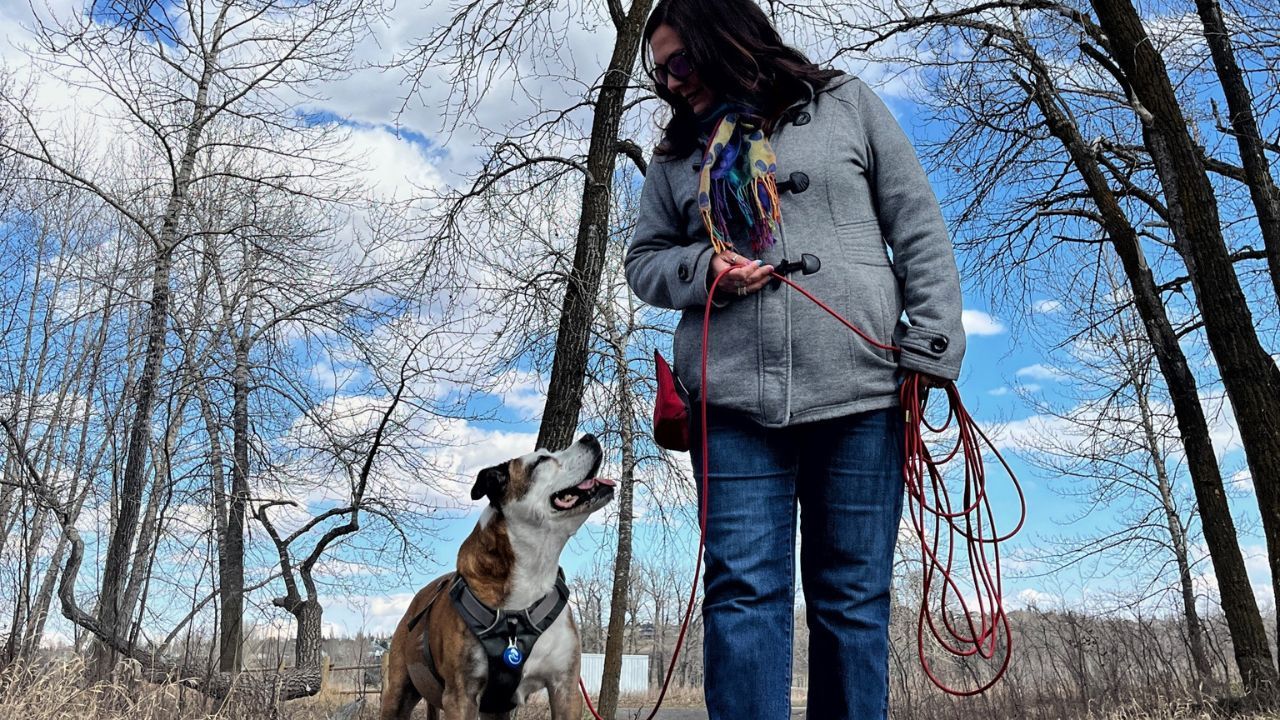
You know the walk. The one where everything is fine until it isn’t.
You’re rounding a corner, your dog is trotting along nicely, and then another dog appears. Or a jogger. Or a cyclist. Or sometimes nothing you can even identify. And in an instant, your dog explodes. Barking, lunging, pulling so hard you can barely hold on. You’re apologizing to strangers, crossing the street to avoid triggers, dreading every walk before it even starts.
If that sounds familiar, this post is for you.
Because t...
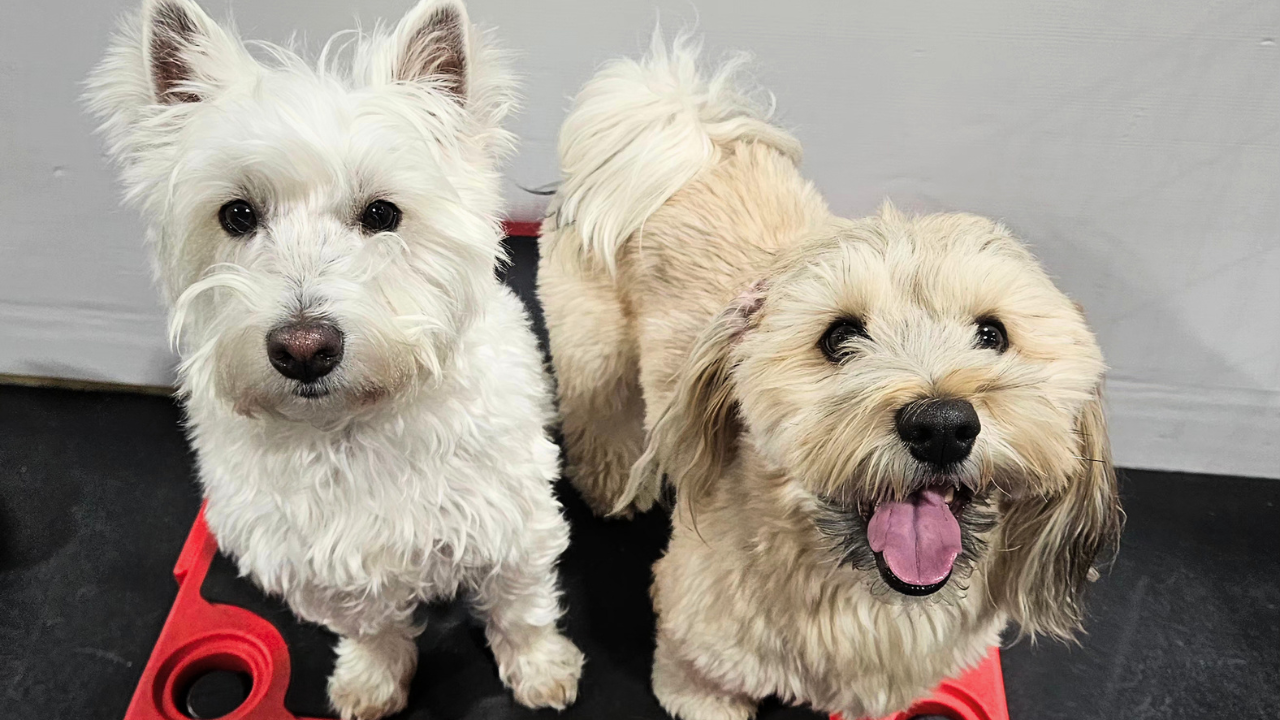
If your dog seems to be ignoring you, acting out, or just not getting it, the problem might not be your dog.
We work with dogs and their families every single day, and one of the most common things we see is this: a frustrated owner who has been trying hard, doing what they think is right, and genuinely can’t understand why their dog isn’t responding. And a confused dog who is doing their best with an unclear picture.
Most of the time, it’s not a behaviour problem. It’s a communication problem...
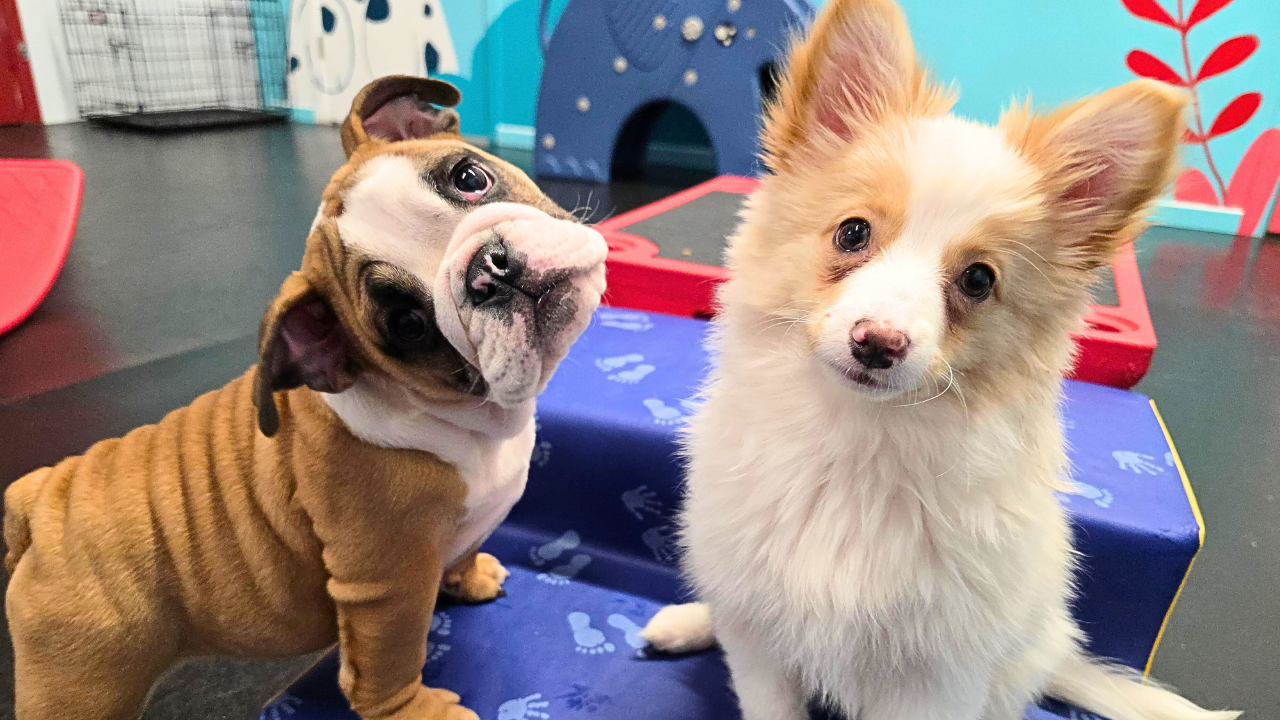
Most people think they have plenty of time to socialize their puppy. They don’t.
We hear it often. A new puppy owner comes in when their dog is six, eight, twelve months old, frustrated that their dog is reactive, anxious, or difficult to manage. And when we start talking through the early weeks, the story is usually the same: they waited until vaccinations were done, arranged a few playdates, maybe enrolled in a basic puppy class. They thought they were doing the right things.
The problem isn...
